Building a Sustainable Active Rhythm
An educational exploration of how people integrate natural supplements into their daily movement patterns and lifestyle choices.
Explore the Guide
An educational exploration of how people integrate natural supplements into their daily movement patterns and lifestyle choices.
Explore the Guide
Modern life often pushes us toward extreme approaches—intense bursts of activity followed by prolonged periods of rest. Yet research into sustainable wellness suggests a different pattern: consistent, moderate movement integrated naturally into daily routines.
This guide explores how individuals build and maintain regular physical activity without resorting to dramatic interventions. We examine the role that various natural supplement categories can play—not as miracle solutions, but as supportive elements within a broader lifestyle framework.
Before considering any supplementation, it's essential to understand the baseline: how people structure their days around movement. Whether it's morning walks, cycling to work, or evening stretching routines, these patterns form the foundation of an active lifestyle.
Natural supplements enter this picture not as replacements for movement, but as potential supporters of the nutritional needs that arise from regular physical activity. The key lies in understanding what these products contain and how they fit into existing routines.
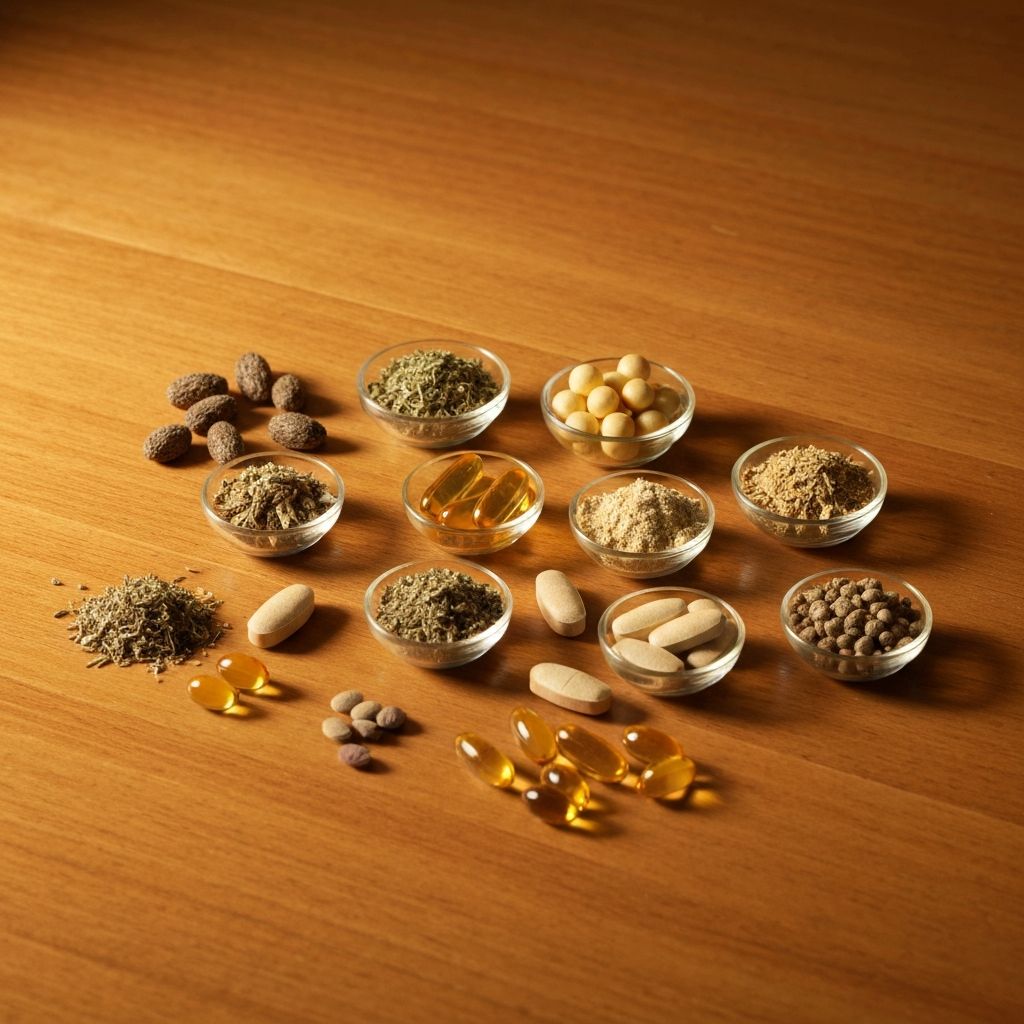
Different types of natural products serve different purposes within an active lifestyle. Here's an overview of the main categories people explore:
These formulations typically combine various vitamins, minerals, and plant extracts. People often consider them when their daily diet may not cover all nutritional bases, particularly during periods of increased physical activity.
Protein building blocks that some individuals incorporate around their exercise routines. The focus is on understanding which amino acids are essential and which the body can synthesize.
Plant-based compounds with long histories in traditional wellness practices. Understanding their origins, preparation methods, and common usage patterns helps inform personal choices.
Focused on specific minerals that may be less abundant in modern diets. The emphasis is on bioavailability—how readily the body can utilize these nutrients.

One of the most valuable skills when exploring natural supplements is the ability to interpret product labels and understand ingredient sourcing.
This isn't about memorizing chemical names or becoming an expert overnight. Rather, it's about developing a curious, questioning approach that helps you make informed decisions aligned with your lifestyle.
The most successful approaches to supplementation don't rely on complex protocols or rigid schedules. Instead, they fit naturally into existing routines.
Many people find that morning represents a natural anchor point—taking certain nutrients alongside breakfast as part of a broader morning routine that might also include light stretching or a brief walk.
Some individuals explore specific formulations in the hour before planned physical activity. The focus here is on understanding timing relative to digestion and absorption, not on seeking immediate effects.
Evening supplementation often centers on nutrients that support rest and recovery—magnesium compounds, certain botanical extracts, or amino acids that some people associate with their relaxation routines.
Interestingly, many lifestyle guides emphasize consistency even on days without formal exercise. The philosophy is that supporting the body's baseline needs matters as much as—or more than—timing around specific activities.
One of the most consistent findings from lifestyle research is that simplicity tends to win over the long term.
A moderate routine followed regularly yields better outcomes than an aggressive plan abandoned after weeks.
Rather than adding supplements as separate tasks, successful practitioners weave them into existing habits.
Learning why certain ingredients might matter proves more valuable than blindly following recommendations.
These brief accounts come from individuals who've developed sustainable approaches to active living and natural supplementation:
Marcus, 42, Urban Planner: "I spent years trying complicated routines. What actually stuck was simple: morning multivitamin with breakfast, fish oil with dinner, and a protein blend after my three weekly gym sessions. Nothing revolutionary, but it's been five years and it's just part of life now."
Andreas, 38, Software Developer: "I cycle to work daily—about 25 minutes each way. I started reading about magnesium and zinc after noticing I felt better on weeks when I ate more variety. Now I track my food for a few days each month and adjust a basic supplement stack accordingly."
Stefan, 45, Teacher: "My approach is seasonal. Summer means more outdoor activity and fresh produce, so less supplementation. Winter in Austria means fewer daylight hours and indoor movement, so I add vitamin D and pay more attention to maintaining protein intake."
Most start with broad-spectrum formulations rather than specialized products. This provides a baseline before exploring specific categories.
Fat-soluble nutrients often accompany meals containing fats. Water-soluble vitamins show more flexibility. The key is consistency rather than perfect timing.
This varies tremendously. Some effects may be noticeable within weeks, others take months, and some are so subtle they're only apparent in retrospect during periods without supplementation.
Understanding interactions between nutrients helps inform combinations. Many people start with single formulations and gradually add specific supplements as they learn what their routines might benefit from.
Based on current lifestyle patterns and nutritional awareness, these product categories see consistent interest among men building active routines:
Comprehensive formulations covering vitamins A through K, essential minerals including zinc, magnesium, and selenium, plus select botanical extracts.
Typically taken once daily with morning meal
Marine-sourced EPA and DHA from fish oil or algae-based alternatives, often combined with vitamin E for stability.
Common dosing: 1-2 capsules with main meals
Particularly relevant in Northern European contexts where sunlight exposure varies seasonally. Often combined with vitamin K2 for complementary effects.
Daily or weekly dosing depending on concentration
Whey, casein, or plant-based protein concentrates. Popular around exercise windows but also used for general protein intake support.
Flexible timing based on daily protein needs
Various magnesium salts (citrate, glycinate, malate) chosen based on absorption profiles and individual tolerance.
Often taken in evening hours
Combinations of ashwagandha, rhodiola, or ginseng varieties. Interest centers on their historical use in traditional wellness systems.
Dosing varies by extract concentration
Note: These descriptions reflect common product categories and typical usage patterns observed in lifestyle communities. They are not recommendations for specific brands or suggestions that you should use these products.
The journey toward sustainable active living isn't about perfect adherence to rigid plans. It's about developing awareness, making gradual adjustments, and finding what fits naturally into your life.
Natural supplements can play a supporting role in this process—never as replacements for movement, rest, and varied nutrition, but as complementary elements that some people find helpful as they build and maintain their routines.
The most important factors remain the fundamentals: regular movement, adequate sleep, stress management, and a balanced approach to food. Everything else, including supplementation, serves to support these core pillars.
Explore Our Educational Philosophy